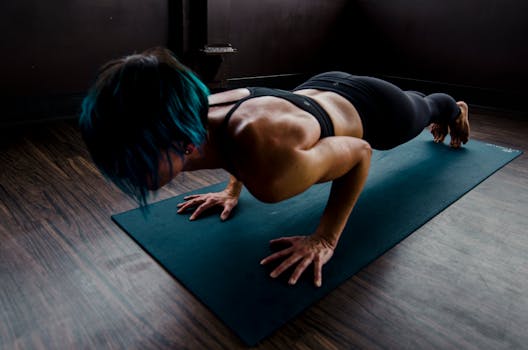

So, you’ve finally decided to transform that spare room or garage corner into your personal fitness sanctuary. Awesome! You’ve got your weights, your cardio machine, maybe even a fancy pull-up bar. But hold on a second – have you thought about what’s underneath all that sweat and effort? That’s right, the flooring. It might not be the flashiest part of your home gym setup, but trust me, it’s one of the most crucial decisions you’ll make. Getting the right kind of home gym flooring isn’t just about aesthetics; it’s about protecting your existing subfloor, safeguarding your equipment, preventing injuries, and honestly, just making the whole experience more enjoyable. Choosing the right type of flooring for your home gym can feel a bit overwhelming with all the options out there, but we’re going to break it down so you can make a truly informed decision.
Why Your Home Gym Floor Matters (More Than You Think!)
Let’s be real, a bare concrete floor or worn-out carpet isn’t exactly inspiring for a tough workout. But beyond the visual appeal, the right flooring offers tangible benefits. Imagine dropping a dumbbell – without adequate protection, you risk cracking your floor, damaging the weight, or worse, injuring yourself. Similarly, if you’re doing a lot of high-impact exercises like plyometrics, your joints will thank you for some cushioning. It’s about creating a safe, functional, and durable space that can withstand the rigors of your fitness journey.
Navigating the Landscape: Key Flooring Materials for Your Home Gym
When you start researching, you’ll quickly find there isn’t a one-size-fits-all solution. The best choice really depends on what kind of workouts you’ll be doing, your budget, and your personal preferences. Let’s dive into some of the most popular and effective options for choosing the right type of flooring for your home gym.
#### The Versatile Warrior: Rubber Flooring
Ah, rubber. This is probably the heavyweight champion of home gym flooring for a reason. You’ll see it everywhere, from commercial gyms to dedicated home setups.
Interlocking Tiles: These are fantastic for DIYers. They snap together like a puzzle, making installation a breeze. You can often buy them in various thicknesses, which is key depending on the weight you’re lifting. Thicker is generally better for heavy free weights. They offer excellent shock absorption and are pretty durable. My personal experience with these has been overwhelmingly positive; they’re forgiving on your knees during bodyweight exercises and offer great grip.
Rolled Rubber: If you’ve got a larger area to cover or want a more seamless look, rolled rubber is a great option. It comes in large rolls and can be cut to fit your space. It offers similar benefits to tiles but can be a bit trickier to install perfectly without some professional help or a lot of patience. The seam lines are minimal, which can look quite sleek.
Pros: Superior shock absorption, excellent durability, good grip, protects equipment and subfloor, relatively easy to clean.
Cons: Can have a strong rubber smell initially, some types can be heavy and difficult to move.
#### The Budget-Friendly Stalwart: Foam Mats
Often seen in kids’ playrooms or as a more affordable option for light-duty home gyms, foam mats can be a decent starting point.
EVA Foam Mats: These are lightweight, come in interlocking puzzle pieces, and are super easy to install. They provide a decent amount of cushioning, which is great for yoga, stretching, or bodyweight exercises. However, if you’re planning on dropping heavy weights or using machines that exert significant pressure, they might not hold up as well. They can compress over time and may not offer the same level of impact protection as thicker rubber.
Pros: Very affordable, lightweight, easy to install and remove, good for cushioning.
Cons: Less durable than rubber, can compress under heavy weight, not ideal for dropping weights.
#### The Gym Classic: Vinyl and PVC Flooring
Vinyl and PVC options offer a blend of durability and a more polished look. You’ll often find these in sheet form or as interlocking tiles.
Sheet Vinyl: This can be a good option if you’re looking for something that’s relatively easy to clean and offers some moisture resistance. It’s not as shock-absorbent as rubber, but it can be a good compromise for mixed-use home gyms.
PVC Tiles: Similar to rubber tiles, these interlock and offer a durable surface. They can be a bit harder underfoot than rubber but are often more resistant to stains and easier to sanitize.
Pros: Durable, easy to clean, can offer some moisture resistance, a more refined aesthetic.
Cons: Less shock absorption than rubber, can be slippery if wet.
#### The Natural Choice: Cork Flooring
Cork is an interesting contender, offering a unique blend of comfort and sustainability. It’s naturally shock-absorbent and has a warm, inviting feel.
Cork Tiles/Planks: Cork is naturally antimicrobial and provides a good amount of cushioning. It’s also relatively quiet, which can be a huge plus if you’re working out in an apartment or a shared living space. However, it’s not the best choice for heavy weightlifting, as it can dent under significant pressure. It also requires sealing to protect against moisture.
Pros: Eco-friendly, naturally shock-absorbent, antimicrobial, quiet underfoot, warm feel.
Cons: Can be dented by heavy weights, requires sealing for moisture protection, can be more expensive.
Beyond the Material: What Else to Consider
Choosing the right type of flooring for your home gym isn’t just about picking a material. There are other factors to weigh:
Thickness: This is paramount, especially if you’re lifting weights. For free weights, aim for at least 3/8 inch (about 1 cm) thick, with 3/4 inch (about 2 cm) being even better. Thicker means more protection.
Durability & Maintenance: How much wear and tear will your floor experience? How easy is it to clean? Most gym flooring is pretty forgiving, but some materials are more resistant to scuffs and stains than others.
Impact Resistance: Are you doing a lot of jumping or dropping weights? This will dictate how much cushioning and impact absorption you need.
Budget: Home gym flooring can range from very affordable to a significant investment. Set a budget early on to help narrow down your options.
Subfloor Condition: Is your existing subfloor concrete, wood, or something else? Some flooring types are more forgiving of minor imperfections in the subfloor than others.
Installation: Are you a DIY pro, or do you prefer something that clicks together easily? Interlocking tiles are generally the easiest for home installation.
Making the Smart Call for Your Space
When you’re thinking about choosing the right type of flooring for your home gym, visualize your workouts. If you’re primarily doing yoga, Pilates, or bodyweight training, foam mats or even thinner rubber might suffice. However, if you’re into Olympic lifting, CrossFit, or dropping heavier dumbbells, robust rubber flooring (tiles or rolls) with a good thickness is your best bet. For a hybrid approach, consider a combination – perhaps rubber in your free weight zone and a different material for cardio or stretching areas. Don’t forget to factor in the noise reduction aspect, especially if you have neighbors below or live in close quarters.
Final Thoughts: Sweat, Support, and Smart Choices
Ultimately, the goal is to create a home gym that supports your fitness goals safely and comfortably for the long haul. Don’t underestimate the impact of your flooring choice. Take the time to consider your workout style, your budget, and the practicalities of installation and maintenance. Investing in quality flooring is investing in your health and the longevity of your home gym. Now go build that dream space!